Types of Distribution Transformers: Oil-Immersed, Dry-Type, Single-Phase & Three-Phase
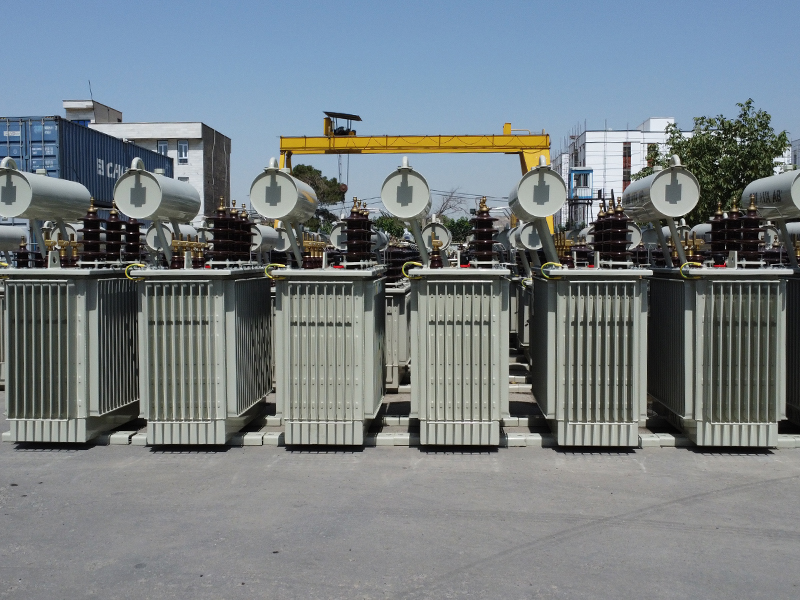
Distribution transformers are the familiar workhorses of urban and industrial electrical infrastructure, stepping down medium-voltage electricity from utility feeders to safe utilization voltages for residential complexes, hospitals, commercial centers, and industrial plants. Distribution transformers are classified by their insulation/cooling system, mounting location, and number of phases. In this article, we review all major distribution transformer classifications to help you select the ideal unit for your project.
What Is a Distribution Transformer and How Is It Classified?
A distribution transformer is an electromagnetic device that steps down medium distribution voltages (typically 10 kV, 20 kV, or 33 kV) to low-voltage utilization levels (400 V three-phase / 230 V single-phase). As the final stage of the power delivery chain, it directly governs power quality and voltage stability at the consumer's premises.
Distribution transformers are categorized along three primary engineering dimensions:
- By Insulation & Cooling System: Oil-immersed vs. dry-type distribution transformers.
- By Installation / Mounting Method: Pad-mounted (ground-level) vs. pole-mounted (overhead) transformers.
- By Number of Phases: Single-phase vs. three-phase distribution transformers.
1. Classification by Insulation and Cooling System
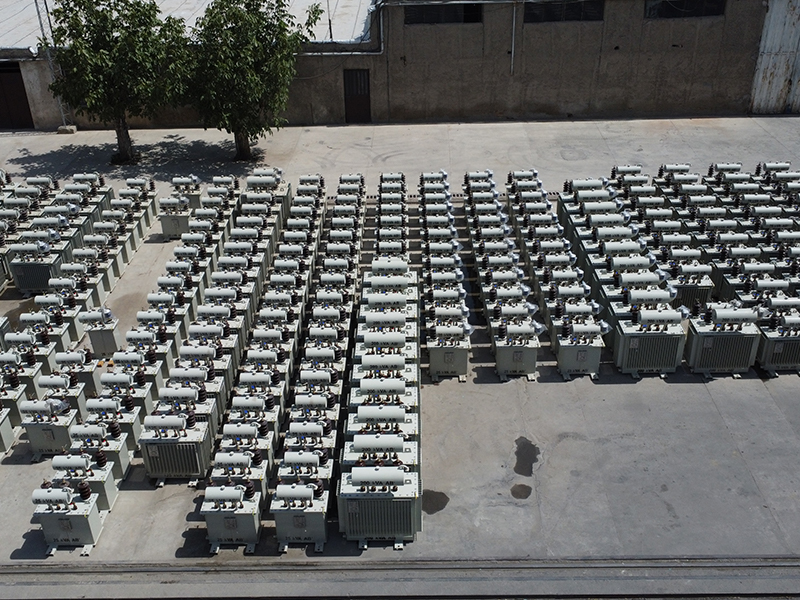
Oil-Immersed Distribution Transformers: Utilize mineral oil or ester fluid as both dielectric insulation and heat-transfer medium, circulating heat from the core and windings to external radiator fins. Available in conservator and hermetically sealed designs, they offer high efficiency, compact cost per kVA, and long outdoor service life.
Dry-Type Distribution Transformers: Use air and cast epoxy resin for insulation and cooling. Free of flammable liquids, they provide superior fire safety for indoor substations inside hospitals, commercial towers, and residential buildings.
2. Classification by Installation Location
Pad-Mounted (Ground) Transformers: Installed on concrete pads inside locked, tamper-resistant steel enclosures or substation rooms, connected to underground medium-voltage cable networks in high-density urban and industrial zones.
Pole-Mounted (Overhead) Transformers: Mounted on utility poles along overhead distribution lines; widely used in rural areas, agricultural networks, and suburban feeders where ground space is limited.
3. Classification by Number of Phases
Single-Phase Distribution Transformers: Feature one primary and one secondary winding; used for lighter residential loads, rural feeders, street lighting, and single-phase commercial applications.
Three-Phase Distribution Transformers: Equipped with three primary and three secondary windings connected in Star (Y), Delta (D), or Interconnected Star (Z) vector groups (such as Dyn5, Dyn11, or Yzn5) to supply balanced three-phase power to industrial plants, urban grids, and large commercial facilities.
Key Criteria for Selecting the Right Distribution Transformer
A single distribution transformer combines attributes from all three categories (for example, a three-phase, oil-immersed, pad-mounted distribution transformer). When specifying a unit, evaluate:
- Rated Capacity (kVA): Sized for both current peak demand and projected future load growth.
- Energy Efficiency & Low Losses: Selecting low-loss designs reduces 24/7 no-load and load energy costs.
- Site & Climatic Conditions: Matching indoor fire codes, ambient temperature, humidity, and altitude.
- Lifecycle Maintenance Cost: Balancing initial capital cost against periodic inspection and maintenance requirements.
Conclusion
Understanding how distribution transformers are classified by insulation medium, mounting configuration, and phase structure empowers engineers, contractors, and facility managers to select the safest, most efficient, and most economical transformer for every power distribution project.