Extending the Lifespan of Distribution Transformers
Distribution transformers are critical capital assets at the heart of electrical power grids, stepping medium-voltage energy down to utilization levels 24 hours a day. Given the substantial capital investment and operational importance of these units across utilities and heavy industries, maximizing their useful service life while maintaining peak efficiency is a top engineering priority.
Premature transformer aging is primarily driven by thermal stress, moisture and particulate contamination, dielectric degradation, and repeated overloading. In this technical article, we examine the primary factors that shorten distribution transformer lifespan and detail proven engineering, operational, environmental, and smart monitoring strategies to extend asset longevity.
Primary Factors Reducing Transformer Lifespan
- Excessive Thermal Stress (Overheating): High load currents and ambient heat accelerate the chemical depolymerization of cellulose paper insulation and oxidize insulating oil. Every 6°C to 8°C rise above rated hot-spot temperature roughly halves the remaining life of the paper insulation.
- Insulation & Oil Degradation: Mineral or ester oil serves simultaneously as a dielectric insulator and heat transfer medium. Oxidation, acidity buildup, or neglect degrades breakdown voltage and leads to internal faults.
- Moisture Ingress: Water absorbed into insulating oil and paper drastically reduces dielectric strength, accelerates cellulose hydrolysis, and increases the risk of partial discharge and flashover.
- Environmental Contamination: Dust, salt fog, industrial smoke, and corrosive gases depositing on bushings and radiator fins cause surface tracking, flashovers, and reduced cooling efficiency.
- Sludge & Particulate Fouling: Suspended particles and oxidation sludge restrict oil circulation through winding cooling ducts and lower dielectric withstand.
- Natural Mechanical & Electrical Aging: Over decades of thermal cycling and short-circuit electrodynamic forces, clamping structures and solid insulation experience cumulative wear.
Comprehensive Strategies to Extend Distribution Transformer Lifespan
Maximizing transformer service life requires an integrated approach combining five complementary pillars:
- Technical & Engineering Solutions: Optimizing cooling systems, oil conditioning, and thermal management
- Operational Solutions: Preventing sustained overloads, load balancing, and scheduled preventive maintenance
- Environmental & Site Solutions: Proper substation ventilation, moisture control, and bushing/tank protection
- Human Factor Solutions: Operator training and standardized inspection protocols
- Digital & Smart Monitoring Solutions: Online DGA, thermal monitoring, and SCADA integration
1. Thermal Management and Cooling System Optimization
Heat is the single greatest enemy of transformer insulation. Effective thermal management includes:
- Deploying auxiliary cooling fans (ONAF) where ambient temperatures or peak loads are high
- Keeping radiator fins clean and unobstructed for natural convection
- Installing calibrated top-oil and winding temperature indicators with alarm/trip microswitches
- Ensuring proper ventilation in indoor substation rooms
2. Insulating Oil Maintenance and Conditioning
Maintaining high dielectric strength and low moisture content in the oil is vital:
- Performing periodic Dissolved Gas Analysis (DGA) to detect incipient thermal or electrical faults early
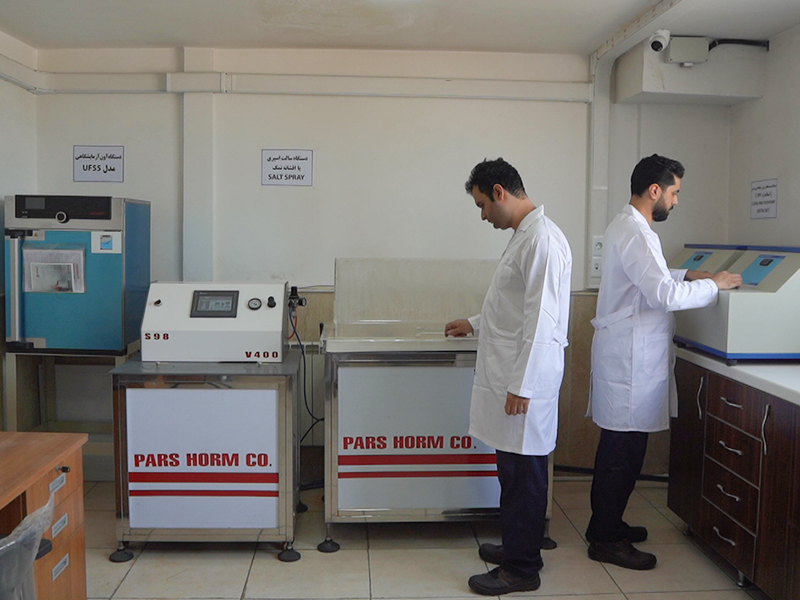
- Monitoring water content (PPM) via Karl Fischer titration
- Conducting Breakdown Voltage (BDV) tests in accordance with IEC 60156
- Testing oil acidity (neutralization number) and interfacial tension
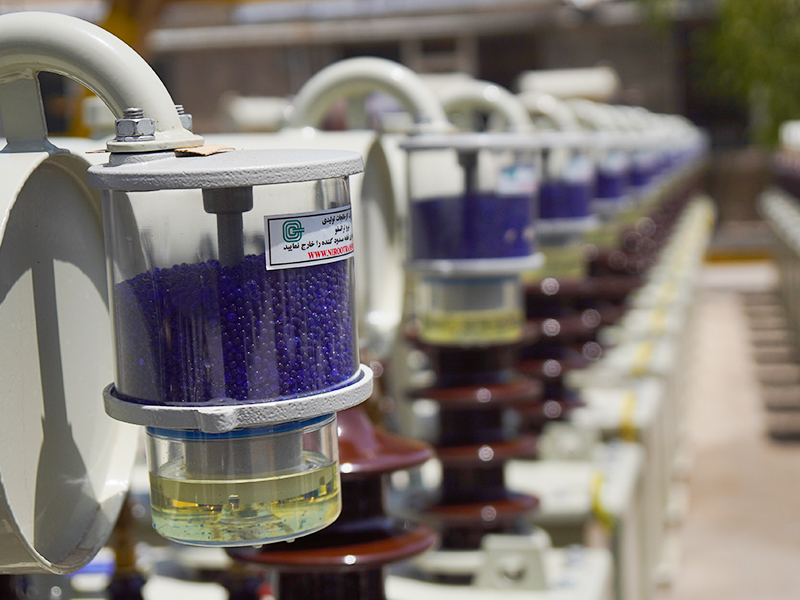
- Timely replacement of dehydrating breather silica gel and periodic vacuum oil filtration/regeneration
3. Preventing Overloading and Unbalanced Loading
Operating a distribution transformer beyond its nameplate kVA rating generates excessive winding hot-spot temperatures and mechanical stress. Key preventive measures include:
- Real-Time Load Monitoring: Tracking phase currents and kVA demand during seasonal peaks (such as summer air-conditioning loads)
- Protective Relaying: Utilizing properly coordinated overcurrent relays, fuses, and Buchholz/DGPT2 protection
- Phase Balancing & Feeder Management: Distributing single-phase loads evenly across all three phases to eliminate neutral currents and localized core/winding overheating
4. Overvoltage and Lightning Surge Protection
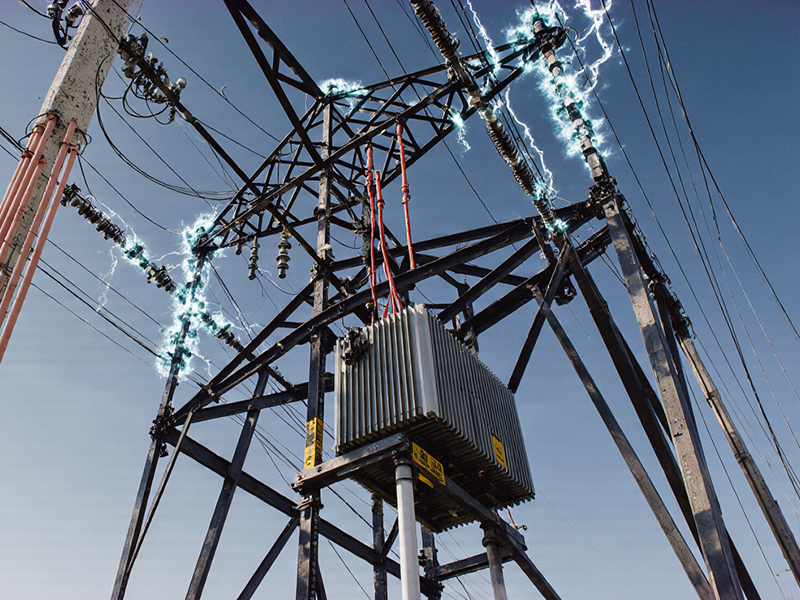
Transient overvoltages caused by atmospheric lightning strikes or grid switching surges can puncture winding insulation instantaneously. Essential protection systems include:
- Surge / Lightning Arresters: Installed phase-to-ground adjacent to HV/LV bushings to clamp voltage spikes and divert surge currents safely to earth
- Low-Impedance Earthing Systems: Providing a reliable, low-resistance ground path for surge dissipation and fault current clearing
- Circuit Breakers & Protective Fuses: Rapidly isolating the transformer during external short circuits or severe overloads
5. Moisture and Environmental Contamination Control
- Dehydrating Breathers: Inspecting silica gel breathers regularly and replacing the desiccant before the blue/orange indicator saturates
- Gasket & Sealing Integrity: Inspecting flange gaskets, bushing seals, and valves to prevent moisture ingress and oil seepage
- Protective Bushing Boots: Preventing rain, dust, and wildlife contact on HV/LV terminals
- Periodic Bushing Cleaning: Removing salt, dust, and industrial deposits from porcelain insulators to prevent surface creepage and flashover
6. Workforce Training and Preventive Culture
Training field operators and maintenance technicians to recognize early warning signs—such as silica gel discoloration, abnormal magnetic hum, oil level drops, or elevated thermometer readings—prevents minor issues from escalating into catastrophic failures.
7. Deployment of Smart Monitoring Technologies
Modern digital monitoring technologies significantly extend transformer service life through predictive maintenance:
- Supervisory Control and Data Acquisition (SCADA) integration
- Online Dissolved Gas Analysis (Online DGA)
- Online bushing and partial discharge monitoring systems
- Real-time fiber-optic and thermal monitoring
- Smart automated cooling control
- IoT and cloud-based asset health analytics
Conclusion
Distribution transformers are the backbone of electrical power delivery networks. By combining sound thermal management, periodic oil diagnostics (DGA and BDV), surge protection, moisture control, and modern online monitoring, utilities and industrial plants can prevent premature failures, reduce lifecycle operating costs, and extend transformer service life well beyond 30 years.