Oil-Immersed vs. Dry-Type Transformers: Differences and Applications
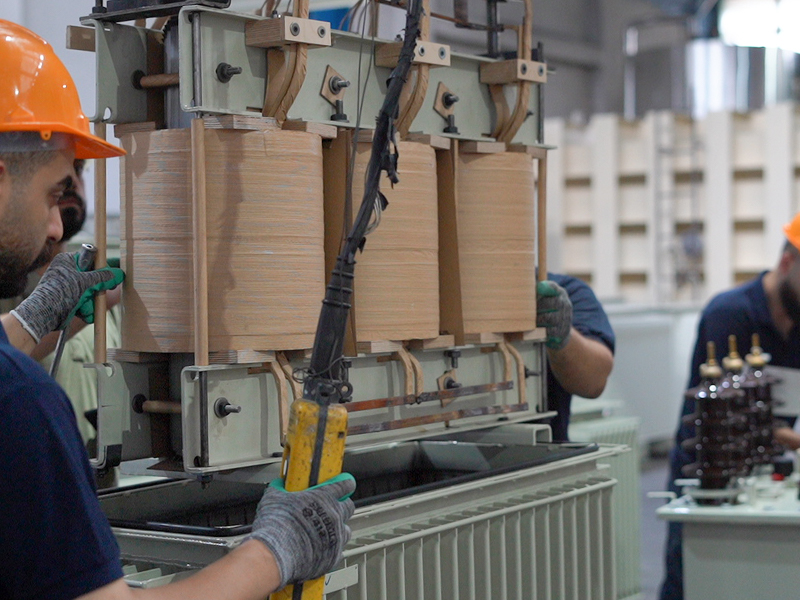
As the critical link in electrical power delivery networks, transformers step voltage levels up for efficient long-distance transmission and step them down for safe residential, commercial, and industrial consumption. The fundamental difference between Oil-Immersed Transformers and Dry-Type Transformers lies in their dielectric insulation and cooling medium—a distinction that directly governs fire safety, initial capital cost, maintenance requirements, service life, and installation environment.
Every project environment demands a tailored engineering choice. In this comprehensive guide, we examine the structural differences, advantages, limitations, and ideal applications of oil-immersed and dry-type transformers.
What Is an Oil-Immersed Transformer?
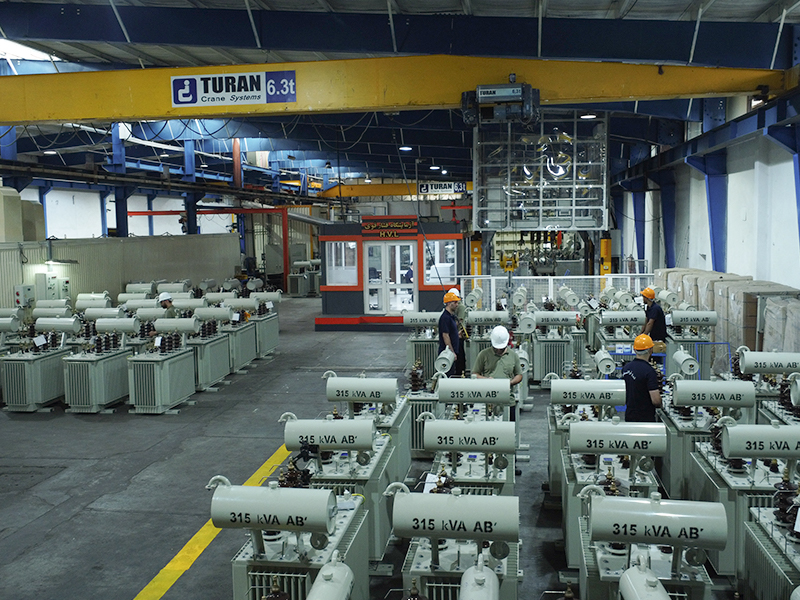
An oil-immersed transformer houses its magnetic core and windings inside a welded steel tank filled with dielectric insulating oil (mineral or silicone/ester fluid). This fluid serves a dual engineering purpose: providing high-dielectric electrical insulation between live parts and transferring heat generated in the core and windings to the tank walls and external radiator fins.
Due to their superior thermal transfer efficiency and long operational lifespan, oil-immersed transformers are the most widely deployed units in utility distribution and high-voltage transmission grids (including systems above 33 kV).
Advantages and Disadvantages of Oil-Immersed Transformers
Key Advantages:
- High Heat-Transfer Capacity: Circulating dielectric oil rapidly absorbs and dissipates winding hot-spot heat.
- Superior Efficiency Under Heavy Loads: Efficient oil cooling enables strong overload withstand and high electrical efficiency under demanding industrial loads.
- Extended Operational Lifespan: With periodic oil testing and preventive maintenance, oil-immersed transformers reliably operate for 30+ years.
- Lower Initial Capital Cost: Compared to cast-resin dry-type units of equivalent kVA rating, oil-immersed transformers offer a more economical purchase price.
- Mature Technology & Serviceability: Readily repairable in the field with widely available spare parts and standardized testing procedures.
Limitations:
- Fire & Oil Leakage Risk: Conventional mineral oil is flammable; any tank seepage or internal fault requires fire containment measures.
- Outdoor or Dedicated Vault Installation: Requires outdoor placement or fire-rated indoor substations equipped with oil containment pits and ventilation.
- Periodic Maintenance Requirements: Requires scheduled dielectric oil testing (BDV/DGA), gasket checks, and oil filtration or replacement.
- Environmental Considerations: Potential soil or groundwater contamination if oil spills are not properly contained.
Primary Applications of Oil-Immersed Transformers
- Power generation plants, transmission substations, and utility distribution networks
- Heavy industries including steel, cement, mining, and petrochemical complexes
- High-voltage grids (above 36 kV and 66 kV)
- Outdoor substations and pole/pad-mounted installations with natural ventilation
Types of Oil-Immersed Transformers
- Open / Free-Breathing Type: Older conventional design where oil is exposed to ambient air moisture.
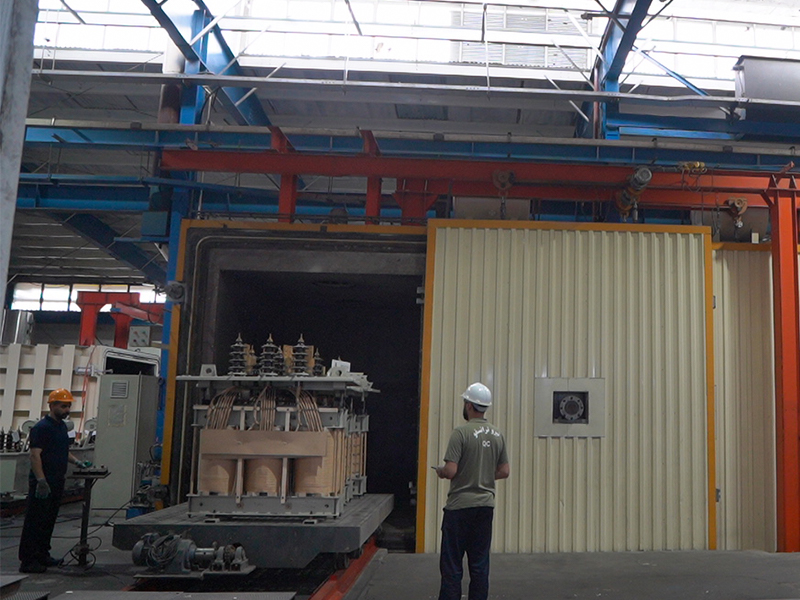
- Conservator Type: Equipped with an overhead expansion tank, Buchholz relay, and silica gel dehydrating breather; widely used across medium- and high-power utility networks.
- Hermetically Sealed Type: Completely sealed corrugated-fin tank with zero air contact, eliminating oil oxidation and periodic oil maintenance.
What Is a Dry-Type Transformer?
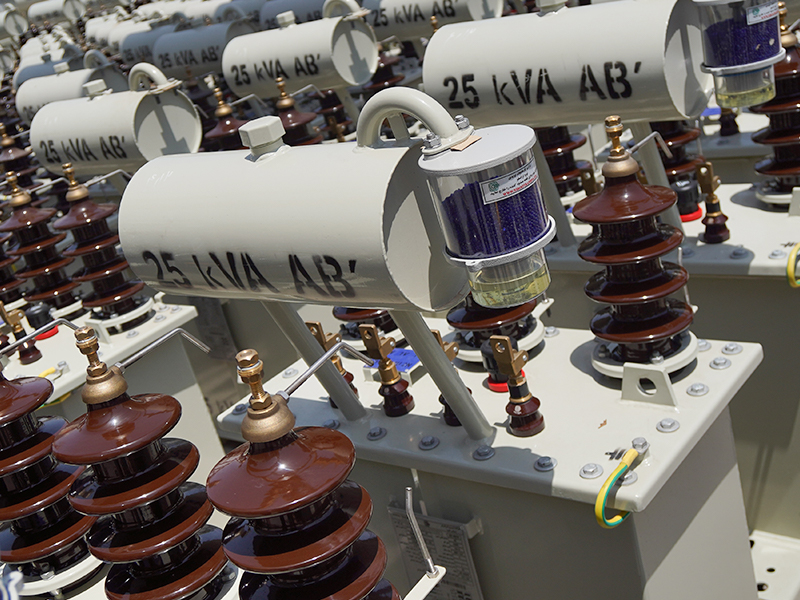
A dry-type (Cast Resin) transformer uses air and solid high-temperature dielectric materials (such as epoxy resin) instead of liquid oil to insulate and cool the windings. Heat is dissipated directly via natural air convection (AN) or forced cooling fans (AF).
Because they contain no flammable liquids, dry-type transformers offer exceptional fire safety for medium-voltage applications (up to 36 kV) in populated indoor environments such as hospitals, high-rise towers, shopping malls, and metro stations.
Advantages and Disadvantages of Dry-Type Transformers
Key Advantages:
- Maximum Fire Safety: Self-extinguishing epoxy resin insulation eliminates oil fire and explosion hazards.
- Zero Oil Leakage & Eco-Friendly: Free of liquid dielectrics, eliminating soil/water contamination risks.
- Minimal Maintenance: Requires no oil sampling, filtration, or replacement—only periodic dust inspection and airflow checks.
- Ideal for High-Occupancy Indoor Spaces: Safe for installation directly inside residential complexes, hospitals, universities, and commercial towers.
Limitations:
- Higher Initial Cost: Specialized vacuum-cast epoxy resin materials and manufacturing processes increase upfront CapEX.
- Capacity & Voltage Ceiling: Typically manufactured up to 30 MVA and 36 kV, making them unsuitable for ultra-high-voltage grid transmission.
- Environmental Sensitivity: Standard indoor enclosures require protection against direct rain, heavy conductive dust, and extreme humidity.
Primary Applications of Dry-Type Transformers
- High-rise residential and commercial buildings
- Data centers, server rooms, and telecom facilities
- Hospitals, educational campuses, and underground metro stations
- Light indoor industrial plants and renewable energy kiosks
Main Classifications of Dry-Type Transformers
- Cast Resin Dry-Type (CRDT): Windings are encapsulated in epoxy resin under vacuum; highly resistant to moisture and industrial dust.
- Vacuum Pressure Impregnated (VPI): Windings are impregnated with high-temperature polyester varnish under vacuum and pressure; economical for commercial indoor use.
- Encapsulated Type: Sealed in solid silicone or polyester elastomer for harsh or corrosive low-capacity environments.
Comprehensive Comparison: Oil-Immersed vs. Dry-Type Transformers
Neither technology universally replaces the other; rather, each excels in its intended engineering domain:
- Electrical Efficiency & Overload Capacity: Oil-immersed transformers deliver superior thermal dissipation and overload endurance.
- Fire Safety: Dry-type transformers are far safer for indoor and populated areas.
- CapEX vs. OPEX: Oil-immersed units have lower upfront purchase costs, whereas dry-type units incur lower routine maintenance costs.
- Environmental Footprint: Dry-type transformers eliminate oil spill risks entirely.
- Service Lifespan: Properly maintained oil-immersed transformers achieve a longer overall service life.
Technical Comparison Table: Oil-Immersed vs. Dry-Type
| Feature | Oil-Immersed Transformer | Dry-Type Transformer |
|---|---|---|
| Cooling & Insulation Medium | Mineral, Silicone, or Ester Oil | Air & Cast Epoxy Resin |
| Supported Power Capacity | High (Up to Several Hundred MVA) | Moderate (Typically Up to 30 MVA) |
| Fire Safety | Lower (Requires Oil Containment / Fire Vault) | High (Self-Extinguishing / Non-Flammable) |
| Initial Purchase Cost | Lower | Higher |
| Maintenance Cost | Higher (Periodic Oil Testing & Treatment) | Lower (Visual & Airflow Inspection Only) |
| Operational Lifespan | Longer (With Proper Oil Maintenance) | Slightly Shorter Than Oil-Immersed |
| Environmental Impact | Risk of Soil/Water Contamination if Leaked | Environmentally Clean (No Liquid Leakage) |
Conclusion
Oil-immersed and dry-type transformers each offer distinct engineering advantages depending on installation site and load profile. In summary, oil-immersed transformers are the optimal choice for high-capacity outdoor substations and heavy industrial grids, whereas dry-type transformers are ideal for indoor, fire-sensitive urban and commercial facilities.