Seven Golden Steps to Buying a Transformer: Buy Smart, Operate with Confidence!
In any industrial, commercial, or infrastructure project, selecting and purchasing the right electrical transformer is a foundational engineering and financial decision. Because transformers operate continuously at the heart of your power supply, an undersized or poorly specified unit leads to excessive energy losses, nuisance trips, costly downtime, and safety hazards.
In this practical procurement guide, we outline the Seven Golden Steps to Buying a Transformer—helping project managers, electrical engineers, and procurement teams make a smart, reliable, and cost-effective investment.
Step 1: Define the Application and Operating Duty
First, clearly define the operational role of the transformer within your electrical network:
- Distribution Transformers: Step down medium voltage (e.g., 20 kV) to low utilization voltage (400 V) for urban grids, industrial plants, and commercial complexes.
- Power Transformers: Used in high-voltage transmission substations and power generation stations (above 33 kV / 63 kV).
- Oil-Immersed vs. Dry-Type: Selected based on outdoor vs. indoor fire-safety requirements.
- Special Duty Applications: Solar PV inverter-duty, rectifier/furnace loads, or compact kiosk substations require specialized harmonic and thermal designs. See our Guide to Transformer Types and Applications for further details.
Step 2: Calculate Required Capacity (kVA) and Voltage Ratings
Transformer capacity (rated in kVA or MVA) must accurately match your connected load profile. Undersizing causes chronic overloading and premature insulation failure, while excessive oversizing inflates upfront capital cost and no-load core losses.
Before ordering, verify:
- Total active and apparent power demand (including diversity factor and future expansion margin)
- Primary (HV) and Secondary (LV) rated voltages and tap-changer regulation range
- Phase configuration (Single-Phase vs. Three-Phase) and vector group (e.g., Dyn11, Yzn5)
- Load power factor (cos φ) and harmonic content
Step 3: Choose Between Oil-Immersed and Dry-Type Construction
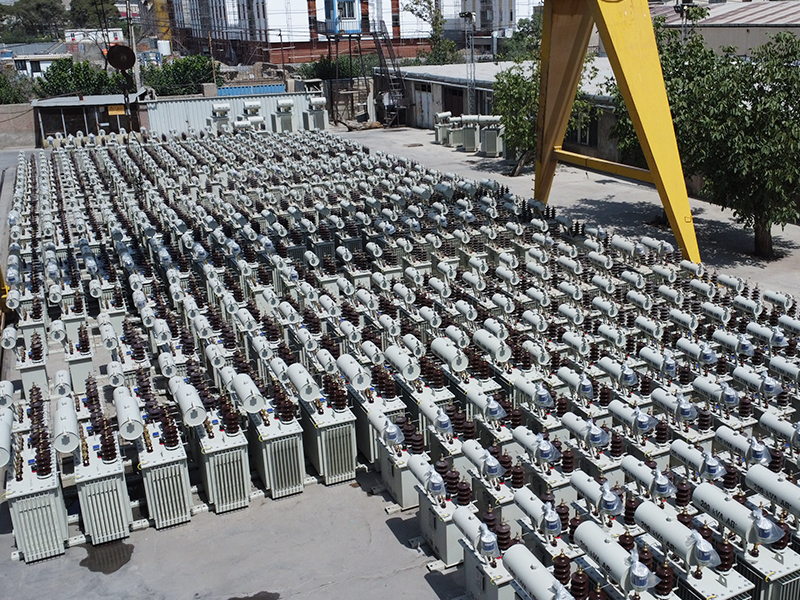
- Oil-Immersed Transformers (Conservator or Hermetically Sealed): Cooled and insulated by dielectric oil; ideal for outdoor substations, industrial facilities, and high-capacity applications offering high efficiency and lower initial cost.
- Dry-Type Transformers (Cast Resin): Air-cooled and fire-safe; ideal for indoor installations inside hospitals, residential/office towers, shopping centers, and data centers.
Key selection factors: Ambient temperature, ventilation availability, fire/oil-containment regulations, and installation space.
Step 4: Verify Standards, Certifications, and Factory Quality Tests
Purchasing a standard-certified transformer guarantees electrical safety, low losses, and long service life. Always verify:
- Compliance with International & National Standards: IEC 60076 and ISIRI 705.
- Utility & Energy Ministry Approvals: Official Tavanir and regional power distribution company vendor approvals.
- Comprehensive Factory Testing Protocols:
- Type Tests: Conducted on representative prototype units to validate thermal rise and lightning impulse design per IEC 60076.
- Routine Tests: Mandatory factory acceptance tests performed on 100% of manufactured transformers prior to dispatch (winding resistance, voltage ratio, vector group, no-load/load losses, impedance, and dielectric withstand).
- Special Tests: Performed upon client request (such as acoustic noise level, zero-sequence impedance, or Sweep Frequency Response Analysis).
Step 5: Evaluate Manufacturer Track Record and Credentials
Before selecting a manufacturer, evaluate their engineering and industrial capabilities:
- Proven manufacturing history and reference list across utility and industrial mega-projects
- International quality, environmental, and occupational safety certifications (ISO 9001, ISO 14001, ISO 45001)
- Accredited high-voltage testing laboratory (such as German HIGHVOLT test systems)
- Comprehensive warranty coverage and nationwide after-sales service network
- High production capacity and reliable on-time delivery
Step 6: Compare Total Lifecycle Cost and Commercial Terms
Transformer pricing depends on kVA rating, core steel grade, copper vs. aluminum windings, loss class, and accessories. To make a smart commercial decision:
- Request formal technical-commercial quotations with complete technical datasheets
- Compare no-load and load loss values (Total Cost of Ownership, not just purchase price)
- Review warranty duration, delivery lead time, and payment terms
- Check whether transportation, site unloading, and commissioning support are included
Step 7: Partner with a Trusted Manufacturer & Supplier
A reputable manufacturer provides much more than hardware—delivering pre-sales engineering consultation, complete technical documentation (outline drawings, schematic diagrams, certified routine test reports, and operation manuals), and responsive after-sales support.
Essential Post-Purchase Best Practices
1. Preventive Maintenance After Installation
- Adhere to scheduled inspection and maintenance intervals
- Monitor phase loads to prevent sustained overloading or phase unbalance
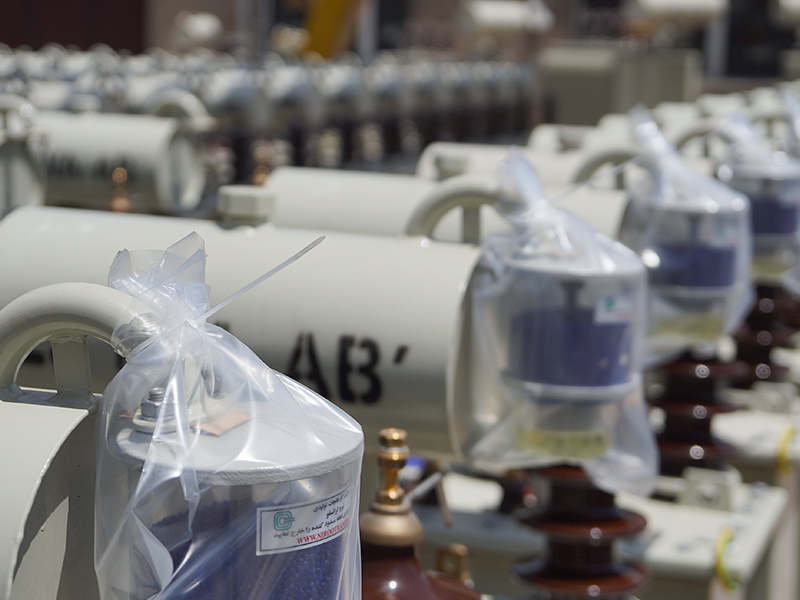
- Regularly inspect oil level, thermometer readings, and breather silica gel (in oil-immersed units)
2. Mandatory Documentation Package at Delivery
- Certified Technical Datasheet
- Dimensional Outline & Nameplate Drawings
- Official Factory Routine Test Certificate
- Official Invoice, Authenticity Certificate, and Warranty Card
Conclusion
Buying a transformer is a long-term capital investment. By following these seven engineering and commercial steps, you minimize technical risk and secure decades of reliable power delivery. For free technical consultation or to request an official quotation and price list, contact our sales and engineering specialists today.