Challenges in Transformer Manufacturing and Engineering Solutions
Reliable electrical infrastructure is the foundation of industrial growth, modern urbanization, and the transition to clean, renewable energy. At the center of this infrastructure stands the transformer manufacturing industry—a high-technology sector that depends on advanced metallurgical materials, precision manufacturing machinery, specialized electrical engineering talent, and stable supply chains. In this article, we examine the primary challenges facing transformer manufacturers and present practical engineering and strategic solutions.
Major Challenges in Transformer Manufacturing
Transformers are complex electromagnetic assets required to operate continuously for 30+ years under severe electrical, thermal, and mechanical stresses. Manufacturers face several critical operational and macroeconomic challenges:
1. Raw Material Price Volatility & Currency Fluctuations
A transformer's active part consists primarily of high-grade grain-oriented electrical silicon steel (CRGO) and high-purity electrolytic copper or aluminum conductors, along with specialized cellulose insulation and dielectric oil. Global commodity price swings and exchange-rate volatility directly impact working capital and production cost predictability.
2. Access to Advanced Manufacturing & Testing Technology
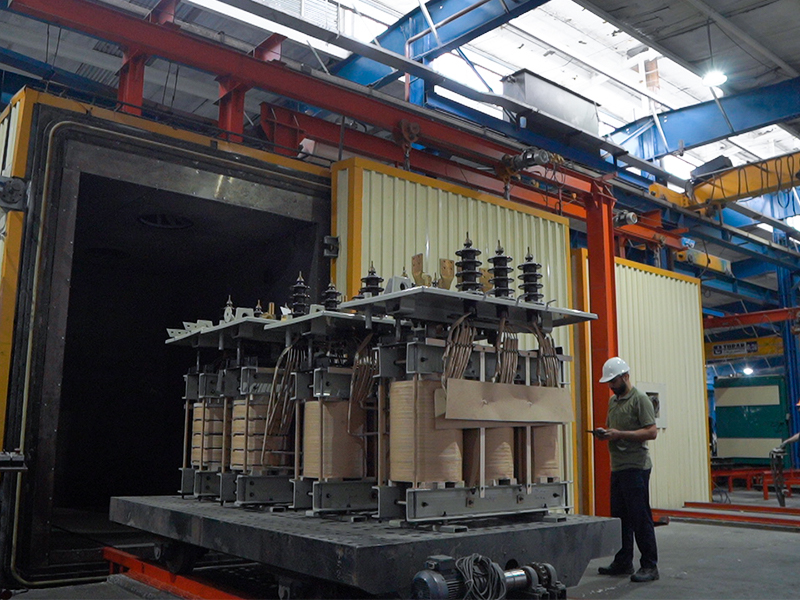
Modern low-loss transformers require precision CNC core-cutting lines, vacuum drying autoclaves, automated foil/wire winding machines, and high-voltage impulse/partial-discharge test laboratories. Trade restrictions and technology transfer barriers complicate the procurement of specialized sub-components and laboratory instrumentation.
3. Harmonizing National Standards with Latest Global IEC/IEEE Codes
Ensuring that domestic localization initiatives remain strictly aligned with evolving international efficiency and environmental standards (such as IEC 60076 low-loss tiers) is essential to prevent higher grid energy losses, premature equipment aging, and environmental impact.
4. Retaining Specialized Engineering & Technical Talent
Electromagnetic core/winding design, high-voltage insulation coordination, and precision assembly require years of specialized training. Migration of skilled engineers and technicians poses a major human-capital challenge across heavy electrical manufacturing.
5. Project Payment Delays & Working Capital Liquidity
Because transformer manufacturing is highly material-intensive (requiring upfront procurement of copper, core steel, and oil), delayed payments in large utility and infrastructure contracts strain manufacturer liquidity and slow reinvestment in R&D and plant modernization.
6. Machinery Depreciation & Need for Industrial Modernization
Heavy winding, core-stacking, tank-welding, and vacuum-processing machinery require continuous preventive maintenance and periodic technological upgrades to maintain micron-level tolerances and high production throughput.
7. International Export & Cross-Border Banking Barriers
Even when domestic manufacturers engineer world-class, IEC-certified transformers, international banking, logistics, and certification barriers can restrict export growth into regional and global energy markets.
Strategic & Engineering Solutions
Overcoming these industry challenges requires a combination of industrial policy support and proactive engineering management within manufacturing enterprises:
- Strategic Supply-Chain Partnerships: Establishing long-term supply agreements with domestic and regional copper, steel, and insulation producers to buffer against spot-market volatility.
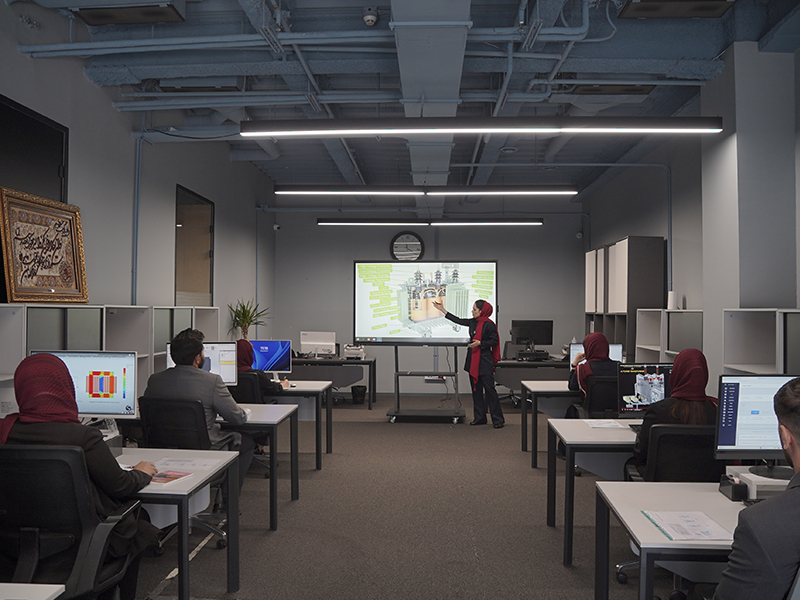
- Digital Simulation & Electromagnetic Modeling (FEM): Utilizing advanced 3D finite-element electromagnetic, thermal, and short-circuit simulation software prior to prototyping to optimize material usage, minimize losses, and eliminate design defects.
- Modular & Standardized Engineering Platforms: Developing modular tank, radiator, and active-part architectures that accelerate production lead times while accommodating custom client requirements.
- Continuous Workforce Training & R&D Investment: Investing in internal technical academies, university partnerships, and long-term career incentives to cultivate and retain top electrical and mechanical engineering talent.
Conclusion
Transformer manufacturing is a strategic pillar of the national energy ecosystem. By combining indigenous engineering innovation, modern quality management, digital simulation, and supply-chain resilience, manufacturers like Niroo Transfo continue to deliver world-class transformers that power industrial and utility grids reliably.