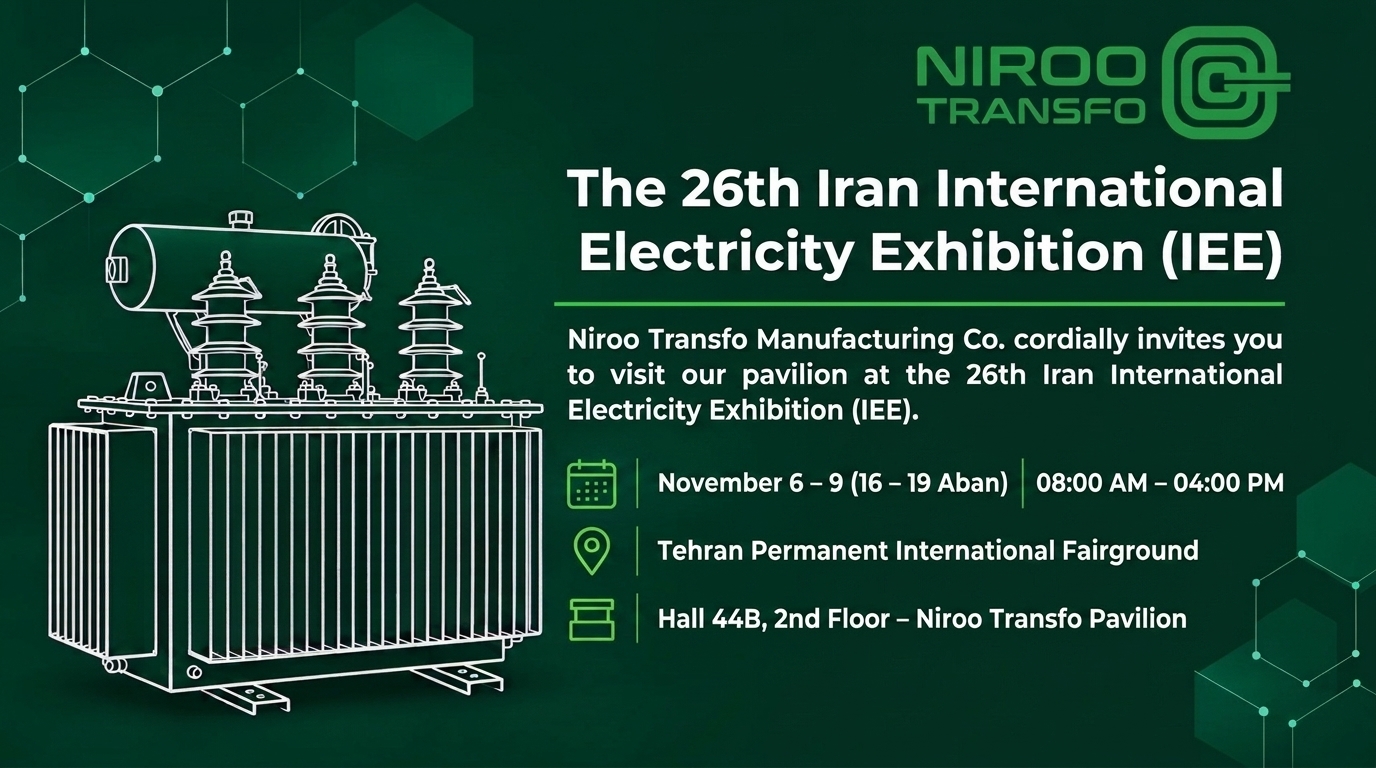
Transformer Testing & Evaluation: Ensuring Safety and Flawless Operation
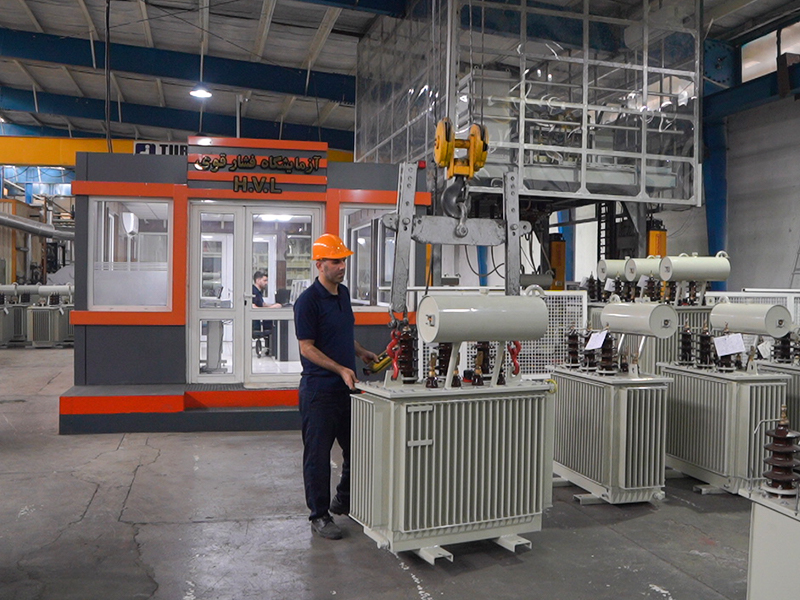
Transformers are among the most critical and capital-intensive assets in electrical transmission and distribution networks. Ensuring flawless, safe, and uninterrupted transformer operation depends on rigorous factory acceptance testing, adherence to installation standards, and comprehensive pre-commissioning and periodic diagnostic testing. This guide provides electrical engineers, commissioning technicians, and project managers with a complete overview of transformer testing methodologies and standards.
Why Are Transformer Testing and Evaluation Essential?
Because transformers regulate voltage and transfer power continuously across the grid, any undetected insulation defect, winding deformation, or contact resistance anomaly can escalate into catastrophic dielectric breakdown, widespread power outages, severe financial loss, and safety hazards. Comprehensive testing before and after installation verifies mechanical integrity, dielectric strength, and thermal performance.
Essential Transformer Diagnostic & Acceptance Tests
1. Insulation Resistance (Megger) Test
Performed using a high-voltage DC insulation tester (Megger), this test measures the resistance between HV-to-LV windings, HV-to-earth, and LV-to-earth (along with Polarization Index, PI). High insulation resistance confirms dry, intact insulation free of moisture or conductive contamination.
2. Winding DC Resistance Test
Measured across all tap positions using a precision micro-ohmmeter or milli-ohmmeter, this test verifies conductor integrity, checks for broken strands or turn-to-turn shorts, and confirms low contact resistance across tap-changer contacts and bushing connections.
3. Voltage Turns Ratio & Vector Group Test
Applies a calibrated low voltage to the primary winding and measures the induced secondary voltage across every tap position. The measured ratio and phase displacement must match nameplate tolerances (typically within ±0.5% per IEC 60076-1).
4. Leakage Current & Dielectric Dissipation Factor (Tan Delta) Test
Measures dielectric leakage current and capacitance/dissipation factor across windings and bushings to detect insulation aging, moisture ingress, or partial breakdown before failure occurs.
5. Dielectric Withstand (Applied & Induced High-Voltage) Test
Subjects the transformer windings and insulation structure to power-frequency and induced overvoltages above rated operating levels (per IEC 60076-3) to verify dielectric withstand strength and confirm the absence of partial discharge weaknesses.
6. Temperature Rise (Thermal) Test
Conducted under simulated full-load losses, the temperature rise test measures top-oil temperature rise and average winding temperature rise to verify that the cooling system (ONAN/ONAF) maintains temperatures strictly within IEC 60076-2 limits.
7. Acoustic Noise & Vibration Analysis
Measures sound pressure levels (dBA) and tank/core vibration signatures to detect loose core clamping, magnetostriction anomalies, or mechanical resonance before they cause structural damage.
8. Insulating Oil Diagnostic Tests & Dissolved Gas Analysis (DGA)
In oil-immersed transformers, dielectric fluid serves as both insulator and diagnostic mirror. Key tests include Dielectric Breakdown Voltage (BDV), moisture content (PPM), acidity, and Dissolved Gas Analysis (DGA)—which identifies internal arcing, partial discharge, or localized overheating by analyzing dissolved hydrogen, methane, ethane, ethylene, and acetylene gases.
9. Earth Continuity & Grounding Resistance Test
Verifies a low-impedance connection between the transformer tank, neutral point, surge arresters, and the substation earthing grid to ensure personnel safety and effective fault current clearing.
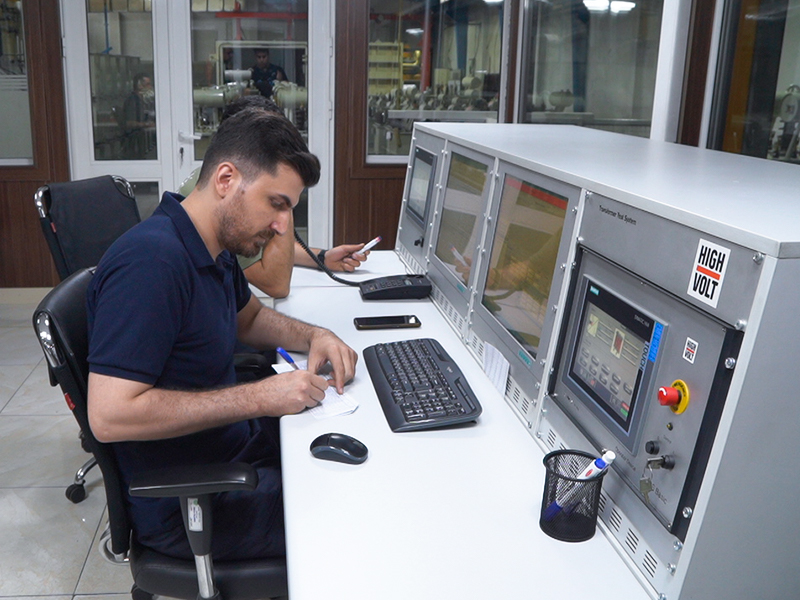
Role of Standard Installation in Transformer Testing & Reliability
Reliable test results and long-term operation require strict compliance with international installation standards (IEC, IEEE, and national electrical codes) across six key areas:
- Mechanical Foundation & Leveling: Vibration-resistant mounting with anti-vibration pads, wheel chocks, and clear maintenance access.
- Certified Auxiliary Equipment: Properly rated MV/LV cables, surge arresters, circuit breakers, and protective relays.
- Environmental & Ventilation Control: Adequate airflow in indoor vaults to dissipate full-load heat losses.
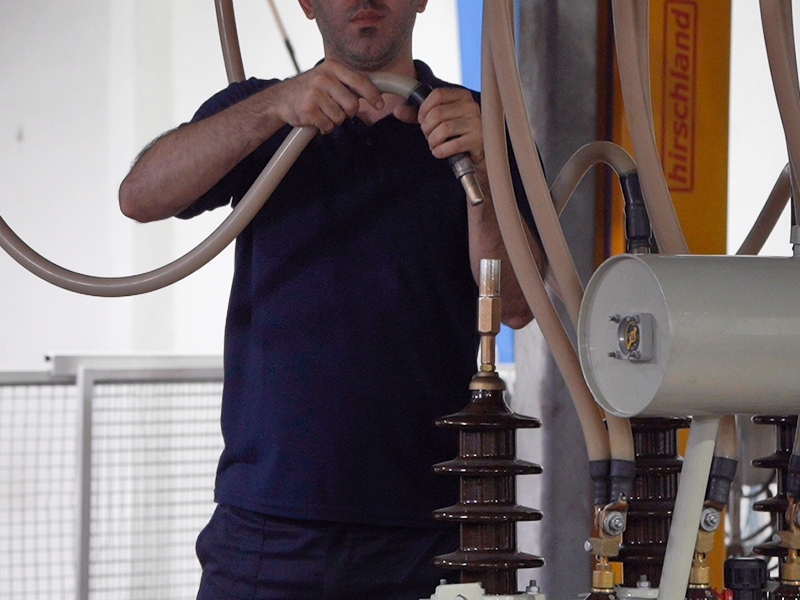
- Proper Cable Termination & Torqueing: Stress-free flexible busbars and calibrated bolt torque on HV/LV bushings to prevent hot spots.
- Preventive Safety Interlocks: Proper earthing, oil containment pits, and fire protection systems.
- Pre-Commissioning Test Protocol: Executing full site acceptance tests (SAT) prior to energizing the transformer.
Modern Challenges & Smart Diagnostic Solutions
Key Field Challenges
- Limited availability of advanced high-voltage diagnostic test instruments at remote sites
- Need for experienced testing engineers to interpret complex dielectric and DGA signatures
- Adverse site ambient conditions (high humidity or electromagnetic interference during field tests)
Modern Engineering Solutions
- Online Condition Monitoring Systems: Smart IoT sensors continuously tracking oil temperature, load current, moisture, and dissolved gases in real time.
- Non-Destructive Diagnostic Testing (SFRA, FDS, PDC): Sweep Frequency Response Analysis (SFRA) and dielectric spectroscopy to detect mechanical winding shifts and paper moisture non-invasively.
- AI-Assisted Predictive Analytics: Automated fault interpretation using Duval Triangle and IEEE/IEC DGA algorithms.
Role of Qualified Engineering Personnel
Testing and commissioning engineers must possess up-to-date mastery of IEC 60076 / IEEE C57 standards, hands-on proficiency with high-voltage test equipment, analytical skill in diagnosing test results, and familiarity with modern digital monitoring systems.
Conclusion
Comprehensive factory and field testing—combined with standard-compliant installation—is the cornerstone of transformer safety, grid stability, and asset longevity. Contact Niroo Transfo's technical engineering team for expert consultation on transformer testing, commissioning, and evaluation.