Extending the Lifespan of Distribution Transformers
Distribution transformers are critical components of power grids, stepping medium voltage down for consumer networks around the clock. Extending their service life protects grid reliability.
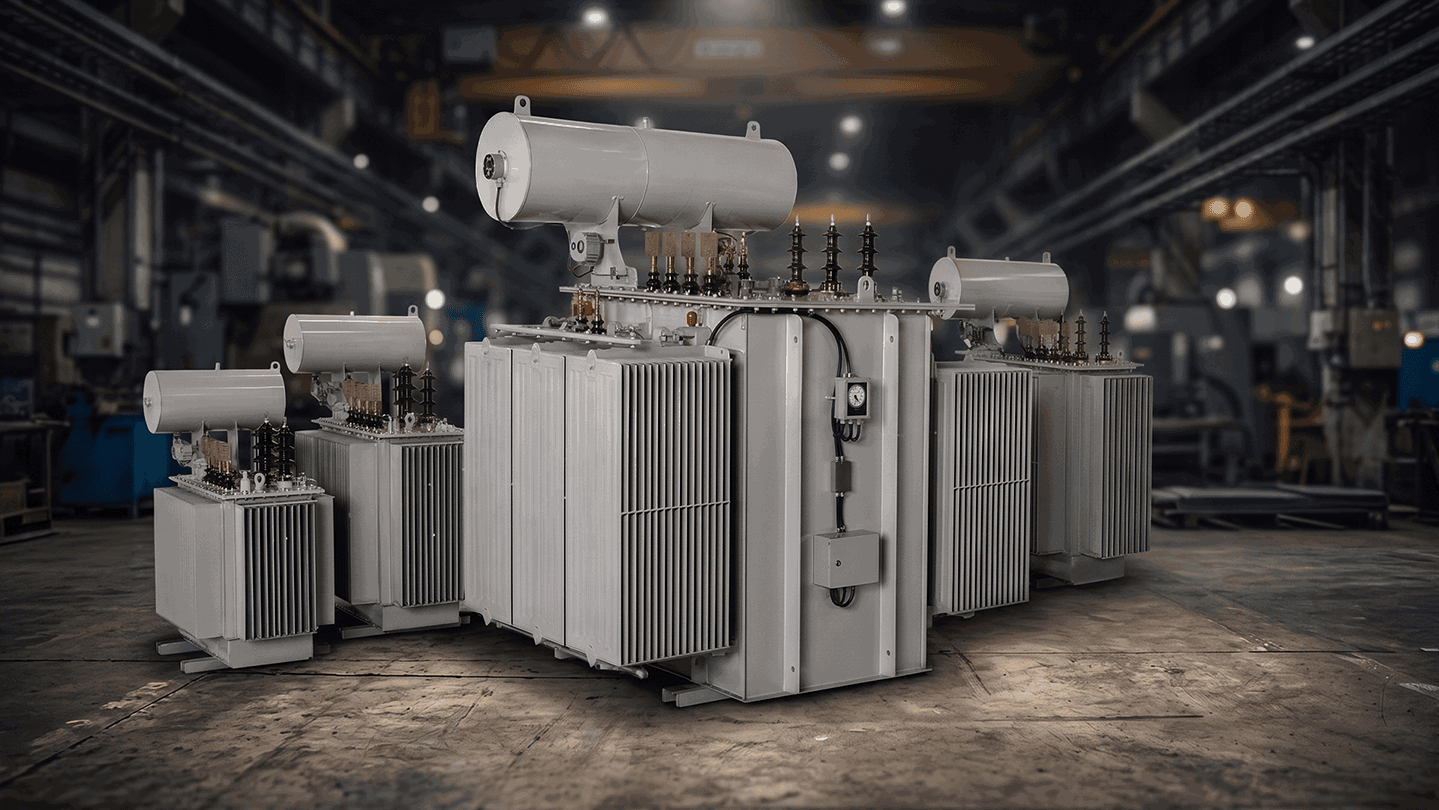
Distribution transformers are critical components of power grids, stepping medium voltage down for consumer networks around the clock. Extending their service life protects grid reliability.
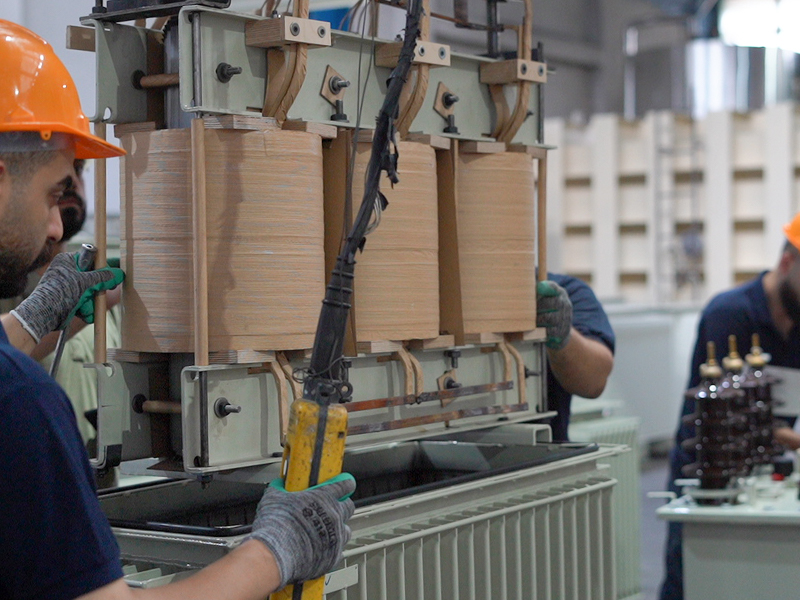
Transformers are foundational components of electrical grids supplying industrial and residential loads by transforming voltage levels through electromagnetic induction.

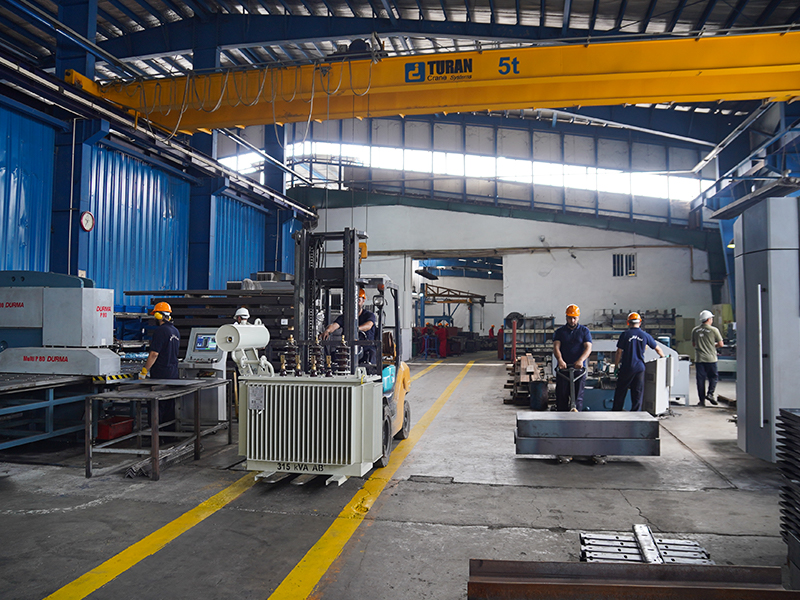
Selecting a distribution transformer is a key decision in any industrial, commercial, or utility project, directly affecting capital expenditure (CapEX), operating costs, and safety.

As the final link in power delivery grids, transformers regulate voltage up for long-distance transmission and down for residential and industrial use via oil-immersed or dry-type cooling.

While pre-engineered standard models cover general requirements, specialized industrial plants and infrastructure projects often require custom-engineered transformers.

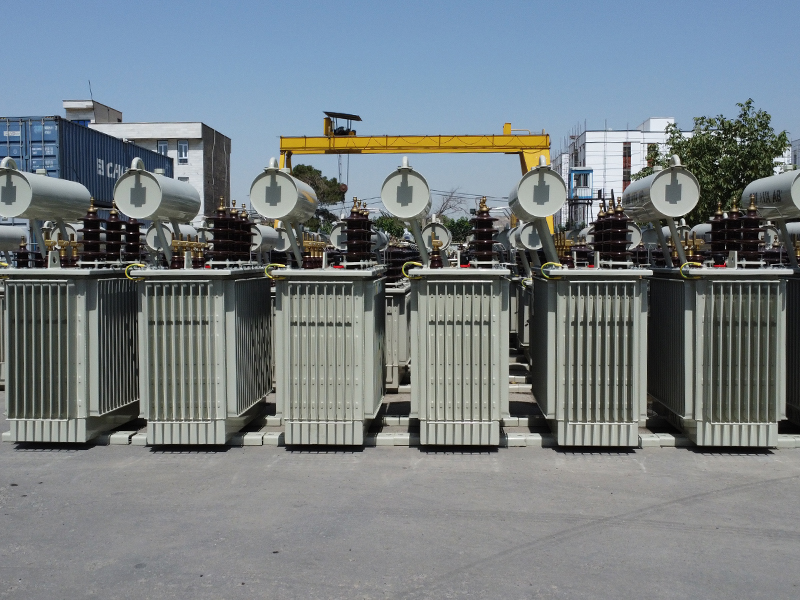
Distribution transformers step power-plant electricity down into usable voltages for residential complexes, medical centers, offices, and facilities across oil, dry, single-, and three-phase types.

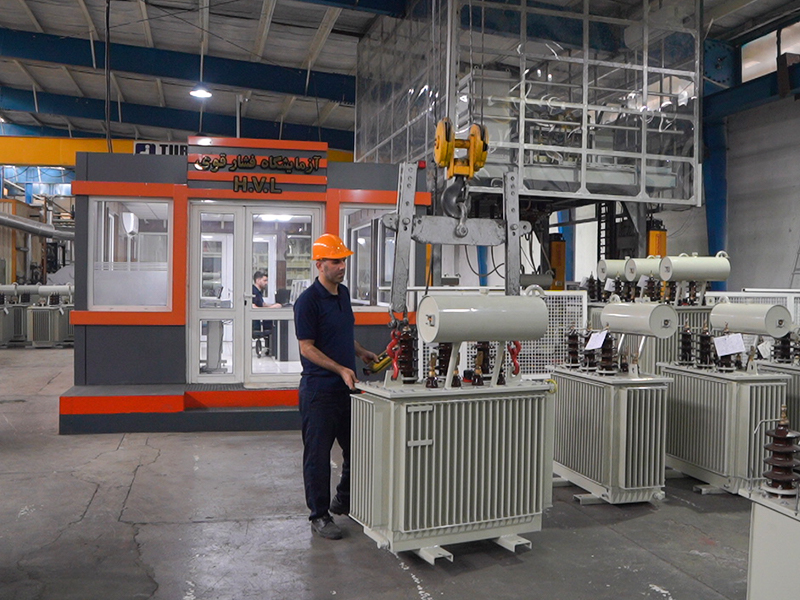
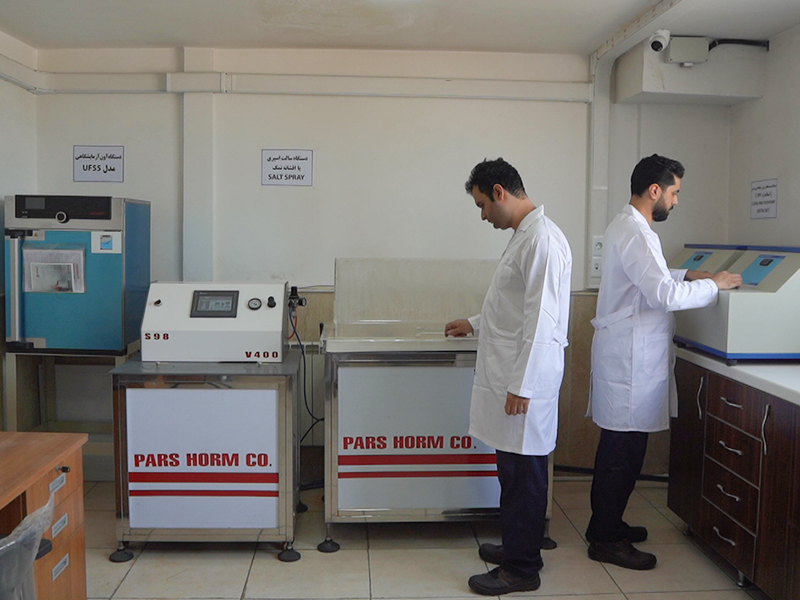
Transformers play a decisive role in regulating voltage for safe and efficient energy delivery. Guaranteeing flawless long-term operation requires rigorous factory testing and evaluation.

Transformers are essential components across industrial, commercial, and distribution networks. Proper cooling systems are vital for managing heat dissipation, efficiency, and service life.

Choosing and purchasing the right transformer is a vital decision in any industrial or construction project, as improper selection can lead to heavy costs and grid disruption.